How Gas Line Problems Affect Fireplace Performance
Local service providers can diagnose and repair gas line problems that impact fireplace performance, ensuring safe, efficient operation and reliable heat.
Understanding how gas line problems affect fireplace performance is essential for property owners aiming to enjoy a safe and efficient heating experience. Issues with the gas supply can lead to inconsistent flames, reduced heat output, or even safety hazards such as leaks or blockages. Recognizing the signs of these problems early can help prevent more serious damage and ensure that your fireplace operates smoothly throughout the colder months. Local contractors specializing in gas line repair are equipped to diagnose and resolve these issues, providing peace of mind that your fireplace is functioning properly and safely.
For property owners in the area, exploring how gas line problems impact fireplace performance is a practical step toward maintaining a comfortable and secure home environment. Whether experiencing uneven flames, strange odors, or difficulty igniting the fireplace, professional service providers can assess the condition of your gas lines and perform necessary repairs. Connecting with experienced local service providers can help ensure your fireplace performs reliably, while also addressing any underlying gas line concerns that could affect overall safety and efficiency. Keep reading to learn more about how these issues can influence your fireplace’s performance and what steps can be taken to resolve them.
- < strong>Gas line inspection - homeowners experiencing inconsistent fireplace flames may need local contractors to evaluate gas line integrity and ensure proper flow.
- < strong>Gas line leak repair - signs of gas odor or reduced fireplace performance can indicate leaks that local service providers can locate and fix safely.
- < strong>Gas line replacement - outdated or damaged gas lines affecting fireplace efficiency require the expertise of local pros to upgrade or replace them properly.
- < strong>Pressure testing services - fluctuating fireplace heat output might be caused by pressure issues that local contractors can diagnose through specialized testing.
- < strong>Gas line adjustment and tuning - irregular fireplace operation can result from improper gas flow, which local service providers can fine-tune for optimal performance.
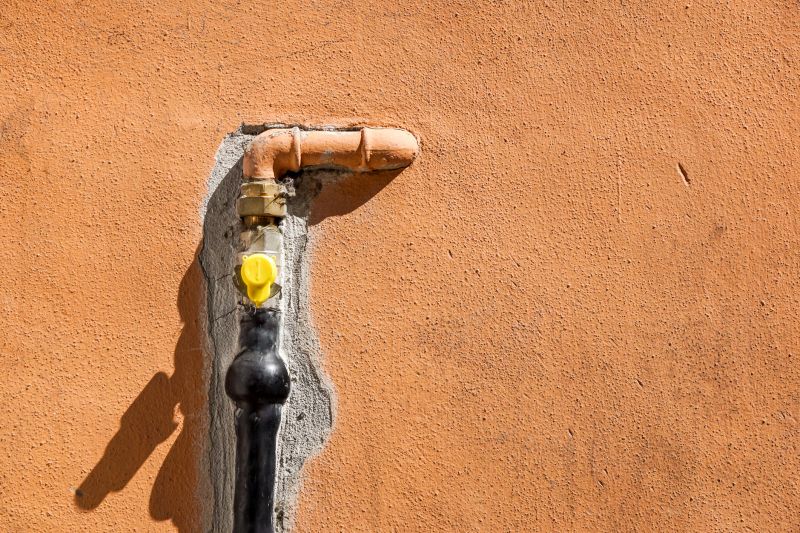
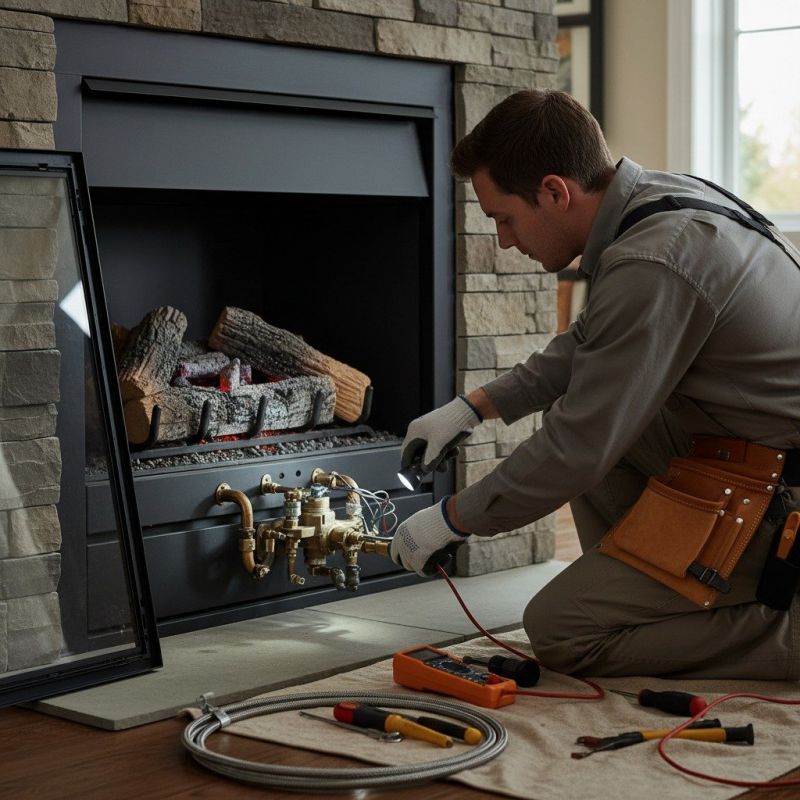
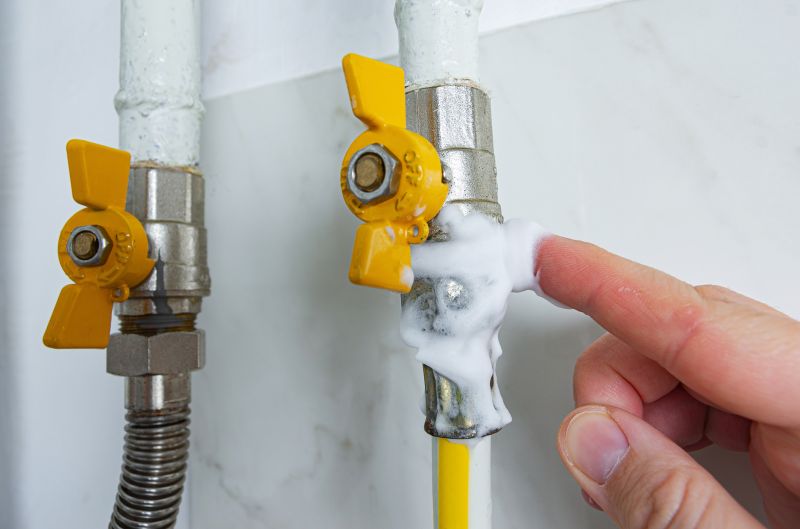
When homeowners search for information about how gas line problems affect fireplace performance, they are typically concerned with issues that hinder the fireplace’s ability to operate safely and efficiently. These searches often stem from noticing irregularities such as inconsistent flames, weak heat output, or strange odors when using the fireplace. Gas line problems can also relate to safety concerns like gas leaks or hissing sounds, which may indicate a leak or pressure issue. Understanding these connections helps homeowners recognize that problems with the gas supply can directly impact how well their fireplace functions, making it essential to address any suspected issues promptly.
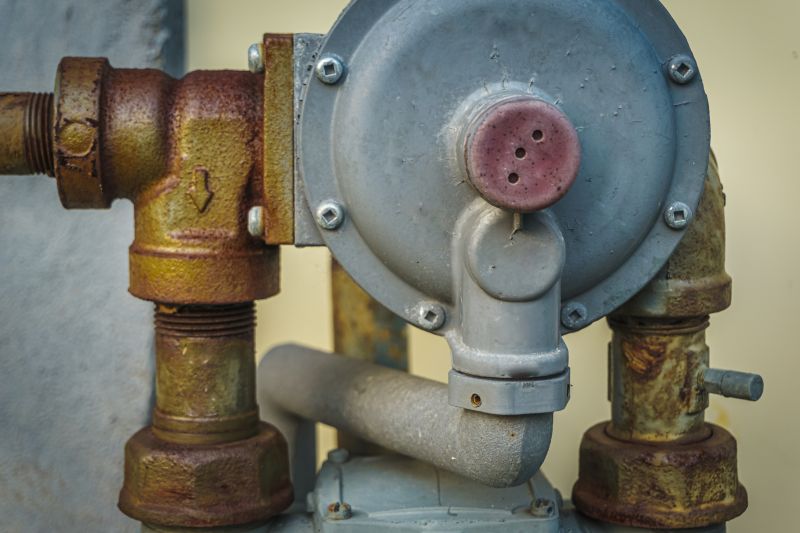
The types of problems associated with gas line issues often involve improper gas flow, leaks, or blockages that interfere with the fireplace’s ability to ignite or maintain a steady flame. For example, a damaged or corroded gas line may cause fluctuating flame sizes, leading to uneven heating or difficulty in lighting the fireplace. In some cases, a gas line problem can cause the fireplace to shut off unexpectedly or produce a weak or flickering flame. These issues are not only frustrating but can also pose safety risks, which is why diagnosing and repairing gas line problems is critical for maintaining optimal fireplace performance.
Gas line problems are commonly related to specific plans for property upgrades or repairs, such as installing a new fireplace or upgrading an existing one. They can also arise from aging infrastructure, accidental damage during renovations, or corrosion over time. Properties that frequently come up in this context include older homes with outdated gas lines, newly constructed residences, or properties where recent modifications might have disturbed the gas supply system. Understanding the property's age and history can help determine whether gas line issues are likely to be contributing to fireplace performance problems, guiding homeowners toward the right local service providers for repairs.
Most properties that experience fireplace performance issues due to gas line problems are residential homes, especially those with natural gas or propane systems. These can range from single-family houses to multi-unit dwellings, often located in neighborhoods with older infrastructure or homes that have undergone recent renovations. In many cases, homeowners may notice symptoms like inconsistent flames, difficulty igniting the fireplace, or unusual smells, prompting them to seek help from local contractors experienced in gas line repairs. Connecting with these service providers ensures that gas line problems are properly diagnosed and resolved, restoring safe and efficient fireplace operation.
Gas line installation projects - these involve planning and executing proper piping setups, which are essential skills for diagnosing and repairing issues that impact fireplace performance.
HVAC and venting system upgrades - working with ventilation components helps ensure safe and efficient operation of gas appliances, similar to addressing gas line problems affecting fireplaces.
Appliance hookup services - connecting gas appliances requires precise knowledge of gas lines, making these projects relevant for understanding how gas flow impacts fireplace function.
Gas leak detection and repair - identifying and fixing leaks involves troubleshooting gas lines, a core aspect of resolving problems that can impair fireplace performance.
Plumbing and gas piping repairs - these projects focus on maintaining the integrity of gas lines, which directly influences the safety and efficiency of fireplaces.
Fireplace installation and retrofit services - installing or upgrading fireplaces often involves gas line work, requiring skills that overlap with those needed to resolve gas line issues affecting performance.
When evaluating service providers for gas line problem repair related to fireplace performance, it is important to consider their experience with similar projects. Homeowners should inquire about the types of gas line issues the contractors have handled and whether they have successfully addressed problems that impact fireplace operation. Service providers with a history of working on gas line repairs in residential settings are more likely to understand the nuances of how gas line problems can affect fireplace performance, ensuring that the repair approach is both effective and appropriate for the specific situation.
Clear written expectations are essential when comparing local contractors for gas line repairs. Homeowners should seek detailed descriptions of the scope of work, the methods that will be used, and what the repair process will entail. Having this information in writing helps prevent misunderstandings and ensures that both parties are aligned on the work to be performed. This transparency contributes to a smoother repair process and provides a basis for assessing whether the service provider’s approach matches the homeowner’s concerns about how gas line problems influence fireplace operation.
Reputable references and good communication are key factors in selecting a dependable service provider. Homeowners should ask for references or reviews from previous clients who had similar issues with gas lines and fireplace performance. Reliable contractors are often willing to share contacts or testimonials that demonstrate their ability to deliver quality work. Additionally, effective communication-such as responsiveness to questions, clarity in explanations, and willingness to discuss options-can make the repair process more straightforward and less stressful. Choosing a service provider with these qualities helps ensure that the repair of gas line problems is handled professionally and that any concerns about fireplace performance are properly addressed.
Property owners often search for how gas line problems affect fireplace performance when they are planning practical projects around their homes and businesses. Local pros provide Gas Line Problem Repair services for everyday jobs and straightforward project options.
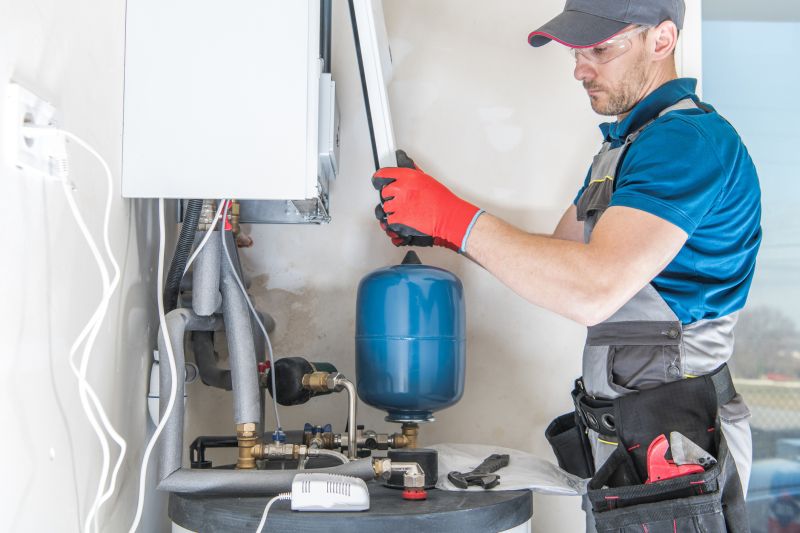
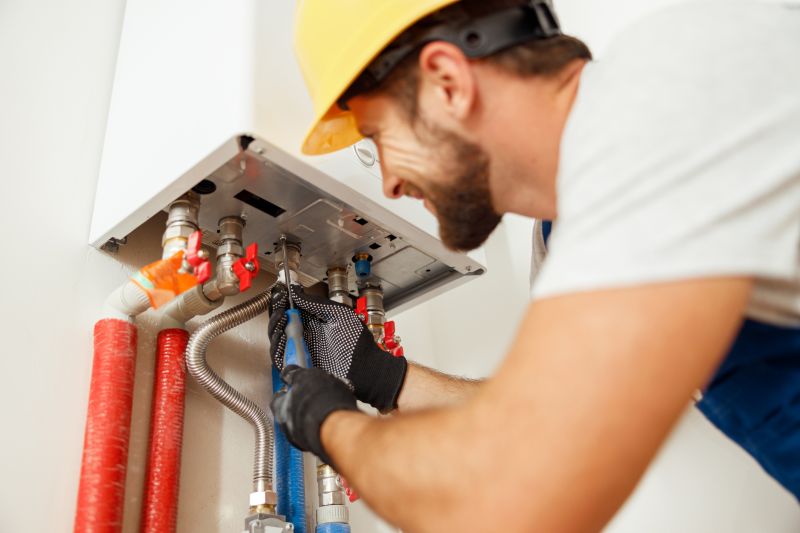
Gas line problems can significantly impact fireplace performance, especially in homes where gas is the primary fuel source. When issues like leaks, blockages, or irregular gas flow occur, they can cause the fireplace to operate inefficiently, produce inconsistent flames, or even prevent it from igniting altogether. Property owners in the area often seek out local contractors to diagnose and repair these issues to restore safe and reliable fireplace functionality, ensuring the comfort and safety of their living spaces.
Understanding how gas line problems affect fireplace performance encourages homeowners to consider professional repair services promptly. Local service providers have the expertise to identify the root causes of issues such as pressure irregularities or damaged pipes that may be hindering proper operation. Addressing these problems not only improves the fireplace’s efficiency but also helps prevent potential safety hazards, making professional repair a practical step for those experiencing performance issues with their gas fireplaces.
How do gas line problems impact fireplace performance? Gas line issues can lead to inconsistent or weak flames, reduced heat output, and potential safety hazards in fireplaces. Local service providers can diagnose and repair these problems to restore proper function.
What are common signs of gas line problems affecting a fireplace? Signs include fluctuating flame sizes, unusual odors, or the fireplace not igniting properly. Experienced contractors can identify these issues and determine if gas line problems are the cause.
Can gas line problems cause safety concerns in fireplaces? Yes, issues like leaks or blockages can pose safety risks such as gas leaks or carbon monoxide buildup. Local pros can address these problems to ensure safe fireplace operation.
How do professionals repair gas line problems that affect fireplace performance? They perform inspections, locate leaks or blockages, and carry out necessary repairs or replacements to ensure the gas line functions correctly and safely.
Why should a homeowner consider hiring local contractors for gas line repairs related to fireplaces? Local service providers have the expertise to accurately diagnose and fix gas line issues, helping to maintain fireplace performance and safety effectively.
Identifying gas line leaks - Recognizing signs of leaks can help property owners decide when to seek gas line repair services to improve fireplace performance.
Inspecting gas line connections - Ensuring all fittings are secure and free of corrosion can prevent issues that diminish fireplace efficiency.
Addressing inconsistent flame behavior - Local contractors can diagnose gas supply problems that cause uneven or weak flames in fireplaces.
Upgrading outdated gas lines - Replacing old or damaged pipes can enhance safety and restore optimal fireplace operation.
If you are thinking about how gas line problems affect fireplace performance for a property, this guide is meant to help you understand this topic, the typical project types, and how different options might fit your plans.
When you are ready, you can use the quote form on this page to share a few details about your project. From there, local pros can review the basics and follow up with options that match what you have in mind.